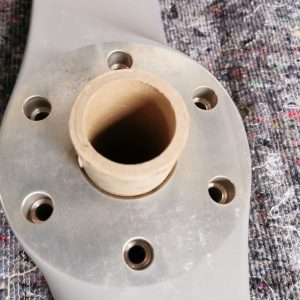
The Sensenich Propeller – P/N 74DM6-0-60
The shortened Sensenich 74DM6 Propeller description can improve search visibility, while the complete part number should remain available for technical review.
The Sensenich Fixed-Pitch Propeller, Sensenich Aluminum Propeller, Fixed-Pitch Aluminum Propeller, and Aluminum Aircraft Propeller keywords describe important design and material characteristics.
Whether buyers require a 74-Inch Aircraft Propeller, 60-Inch Pitch Propeller, Lycoming O-320 Propeller, or General Aviation Propeller, aircraft-specific applicability remains essential.
Clear terminology supports both search performance and responsible aviation-product presentation.
Confirming the Exact Aircraft Propeller
Complete identification reduces unsuitable purchases and gives maintenance professionals the information required for further review.
Any approved change should appear in suitable records and markings rather than relying only on verbal descriptions.
Separating Storage History from Serviceability
This condition can provide significant value, but it does not independently confirm current serviceability after storage, transport, or repeated handling.
The packaging should be examined for water stains, crushing, punctures, chemical odors, 60-Inch Pitch Propeller damaged supports, or signs that the blades contacted the container.
Matching Propeller Design to Aircraft Performance
A propeller suitable for one aircraft equipped with a Lycoming O-320 may not be appropriate for another aircraft using a different engine variant or airframe configuration.
Fixed-pitch simplicity can reduce mechanical complexity compared with variable-pitch or constant-speed systems, but it does not eliminate inspection, balance, tracking, and maintenance requirements.
Benefits of Metal Propeller Blades
Metal construction does not eliminate the possibility of fatigue, corrosion, impact damage, improper material removal, dimensional loss, or storage deterioration.
Both blade faces, backs, roots, tips, leading edges, trailing edges, and hub transitions should be examined under suitable lighting.
Measuring the 74DM6 Propeller
Any authorized diameter reduction should appear in the propeller markings and maintenance records.
A difference between documented and measured dimensions should be investigated before installation.
Comparing Pitch Between Both Blades
Pitch influences theoretical forward movement, engine loading, achievable RPM, climb behavior, and cruise characteristics.
A never-installed propeller should still be reviewed for shipping distortion, impact, or manufacturing-record consistency.
Lycoming O-320 Propeller Compatibility
The Lycoming O-320 engine family includes different models, power ratings, flange configurations, operating limits, and aircraft applications.
The engine and propeller combination must remain within applicable RPM and power limitations.
Evaluating Both Propeller Blades
A Two-Blade Aircraft Propeller should be evaluated as a complete matched assembly rather than as two independent blade components.
Unexplained grinding, drilling, filing, material removal, or attached weights should receive professional review.
Inspecting the Propeller Mounting Area
The propeller hub should match the receiving engine flange, pilot diameter, bolt pattern, approved spacer arrangement, spinner components, and required installation hardware.
A propeller-only listing may require additional hardware before installation can begin.
Inspecting Blade Tips and Trailing Edges
The depth, location, orientation, and extent of any defect affect the appropriate inspection or corrective action.
Unauthorized sanding, filing, blending, refinishing, or polishing should be avoided.
Corrosion Inspection and Storage History
Complete corrosion evaluation supports responsible purchasing.
Responsible storage protects the Fixed-Pitch Aluminum Propeller.
Reviewing Propeller Release Documentation
Accurate language prevents unsupported certification or installation claims.
Installation eligibility depends on the exact aircraft, engine, configuration, approved data, and applicable maintenance requirements.
Reviewing Purchase and Storage Records
Original purchase paperwork may help establish the never-installed history.
Paperwork should not be interpreted beyond its actual scope or current relevance.
Aircraft Propeller Condition Review
The buyer should obtain enough information for a qualified propeller specialist or aviation mechanic to review the component.
- Confirm P/N 74DM6-0-60, the complete serial number, manufacturer markings, 74-inch diameter, 60-inch pitch, blade count, hub dimensions, bolt pattern, and original configuration.
- Do not treat original packaging, clean paint, new wording, or never-installed status as proof of present serviceability.
- Retain photographs, serial information, measurements, purchase records, inspection reports, release documents, and freight paperwork with the aircraft project file.
Preventing Transportation Damage
Blade tips, leading edges, trailing edges, mounting surfaces, bolt holes, identification plates, and factory coatings require suitable protection.
Pre-shipment photographs can document the blades, hub, packaging, identification, and included parts before collection.
Preventing Corrosion and Handling Damage
During storage, the propeller should remain clean, dry, supported, protected from impact, and separated from corrosive chemicals or uncontrolled environmental exposure.
The unit should not be stored directly on damp concrete, exposed ground, unstable shelving, or areas vulnerable to roof leaks.
Mounting the Replacement Aircraft Propeller
Installation should be completed by appropriately qualified aviation maintenance personnel using applicable aircraft, engine, propeller, spinner, and hardware information.
Disciplined installation supports dependable Two-Blade Aircraft Propeller operation.
Dynamic balance may be considered after mechanical condition and correct installation are confirmed.
Caring for the Fixed-Pitch Aluminum Propeller
Routine maintenance should include inspection of blade faces, backs, leading edges, trailing edges, tips, hub, mounting hardware, spinner components, blade tracking, finish, and signs of corrosion or movement.
Preventive care supports dependable General Aviation Propeller service.
Buying P/N 74DM6-0-60
Original packaging can improve presentation and provenance but does not replace physical examination.
Commercial evaluation should focus on verified suitability rather than condition wording alone.
New, Never Installed
The Sensenich Propeller – P/N 74DM6-0-60
Careful technical and commercial review can reduce compatibility problems, missing-hardware expenses, storage-related concerns, installation delays, inspection costs, and documentation issues.
Whether the product is described as a 74-Inch Aircraft Propeller, 60-Inch Pitch Propeller, Lycoming O-320 Propeller, or General Aviation Propeller, aircraft-specific applicability remains essential.
With transparent records, protected shipping, correct aircraft-and-engine fitment, careful mounting, and appropriate inspection, the Sensenich propeller can support a professional aviation project.